In house R&D, design and development team
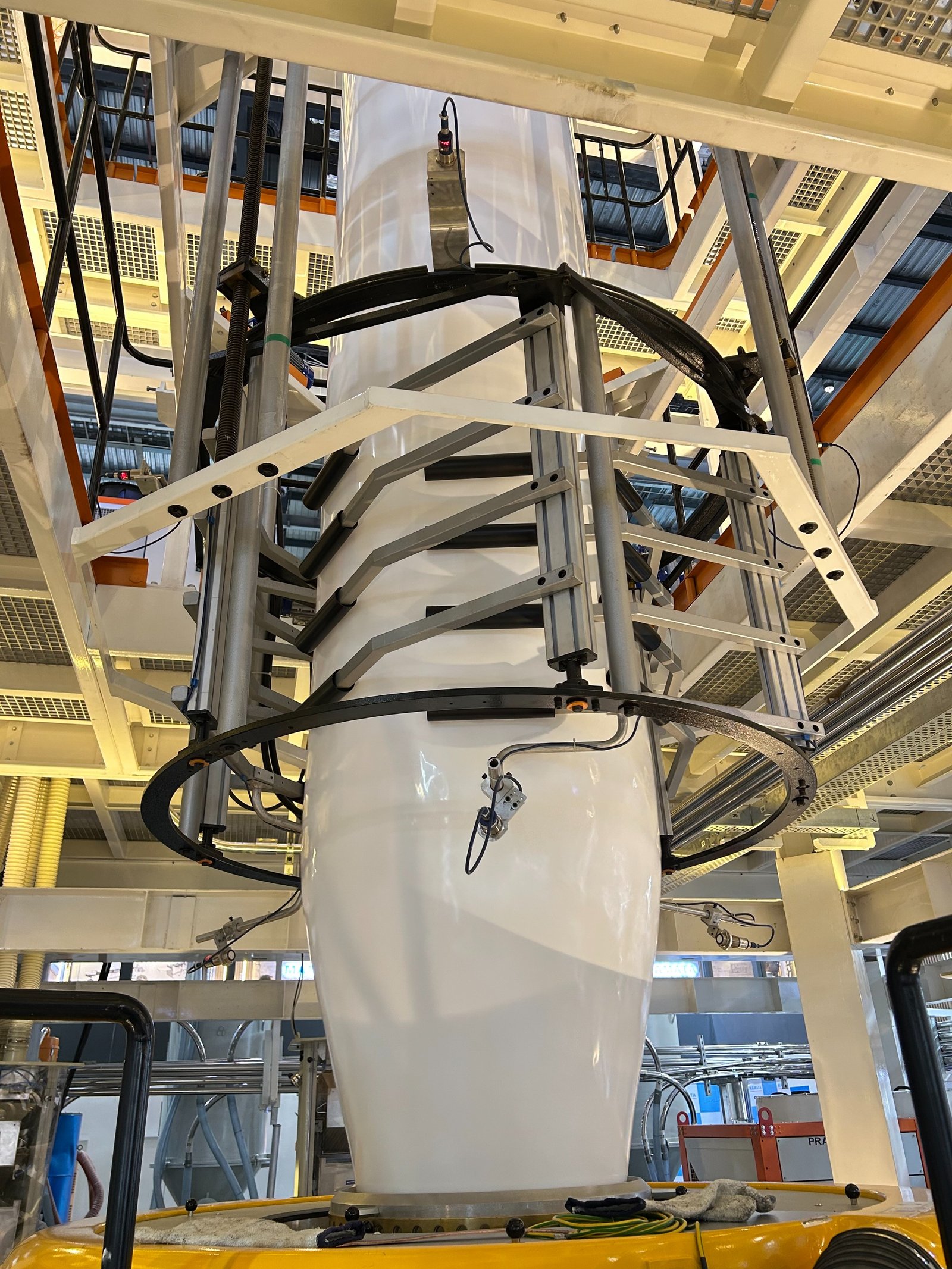
Over 7500+ square meter manufacturing facilities
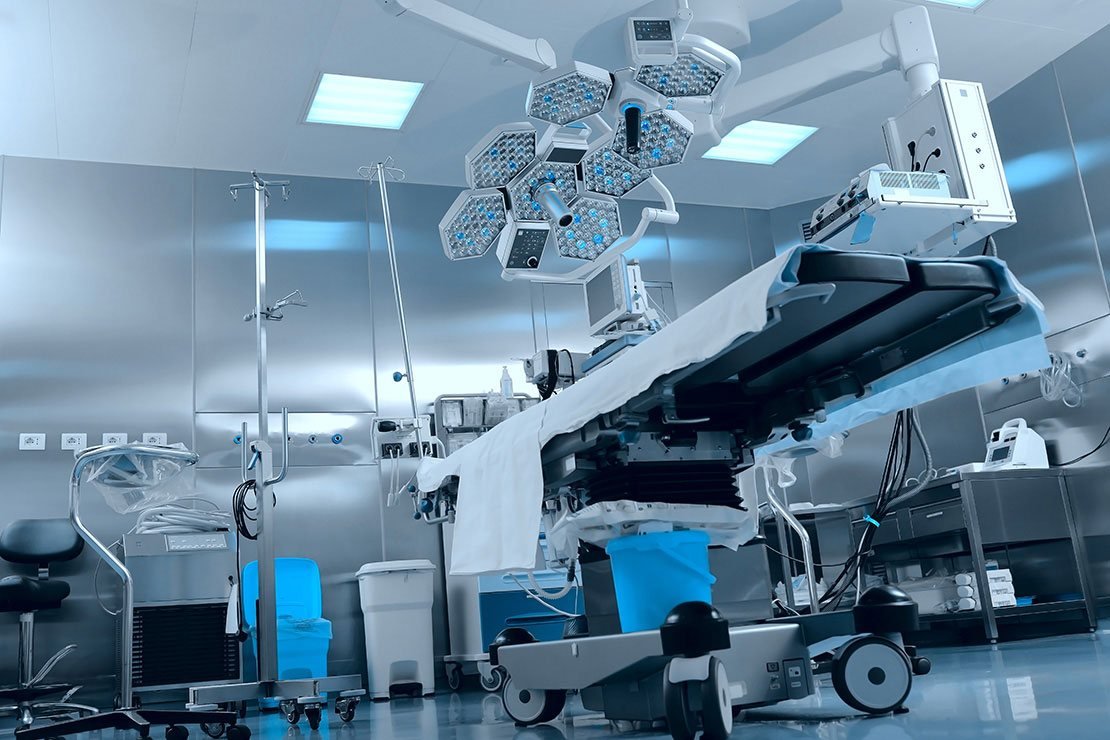
Equiped with testing machines & equipments
Certified with ISO 9001:2015(QMS), ISO 14001: 2015(EMS) & ISO 45001: 2018 (OH&SMS)
At Carbon Light our goal is your success. If you have any questions or would like to learn more, please contact us.
What exactly is a carbon fiber composite?
A carbon fiber composite is not just a material — it is a structure engineered layer by layer. We place carbon fiber fabrics in specific orientations and combine them with high-performance resin systems. Once cured under vacuum and controlled temperature, the result is a lightweight but extremely stiff structural part. The performance of the final component depends more on the layup design and process control than just the raw material itself.
Why do aerospace and defense companies prefer composites?
In aerospace and defense, every kilogram matters. Reducing weight improves range, fuel efficiency, payload capacity, and maneuverability. Composites allow us to design parts that are lighter than aluminum but tailored exactly for the load path. Unlike metals, composites let us put strength only where it is required.
How strong is carbon fiber compared to steel or aluminum?
Carbon fiber composites are significantly lighter than steel and aluminum while offering comparable or higher stiffness in many applications. However, the key difference is this: metals are isotropic (same properties in all directions), while composites are directional. We engineer the fiber orientation to carry specific loads, which gives us better structural efficiency.
What manufacturing methods do you use at Carbon Light?
We use different processes depending on the application: Prepreg layup with vacuum bagging for high-precision structural parts Vacuum Assisted Resin Transfer Molding (VARTM) for larger structures Filament winding for cylindrical load-bearing components like launch tubes Controlled oven curing for repeatable mechanical properties Each process is selected based on performance, volume, and application requirements.
What is prepreg and why is it important?
Prepreg is fiber reinforcement that already contains precisely measured resin. This gives better control over fiber-to-resin ratio and reduces variability. For defense and aerospace parts where consistency is critical, prepreg systems help maintain uniform mechanical properties across batches.
When should someone choose carbon fiber over glass fiber?
Carbon fiber is chosen when stiffness, weight reduction, and dimensional stability are critical. Glass fiber is often selected when cost efficiency and impact resistance are priorities. In many projects, we also combine materials to optimize performance.
What makes filament winding different from hand layup?
Filament winding is a controlled, automated process where continuous fibers are wound under tension over a mandrel. This produces highly efficient cylindrical structures with predictable strength. Hand layup offers flexibility for complex geometries but requires strict process discipline to maintain repeatability.
Are composite parts repairable?
Yes. Minor damage can often be repaired using bonded repair techniques. Structural repairs require proper evaluation and controlled processes. Repairability depends on the severity and location of damage.
Can composites handle high temperatures?
Standard epoxy systems handle moderate temperatures. For higher thermal environments, specialized resin systems are used. Material selection depends on operating temperature requirements.
Why work with Carbon Light?
Because we do not just manufacture parts — we engineer composite solutions. Our team understands fiber orientation, structural load paths, and process control. From tooling to curing to final assembly, we focus on delivering reliable, repeatable composite components for demanding applications.